
Group C’s F1 moment
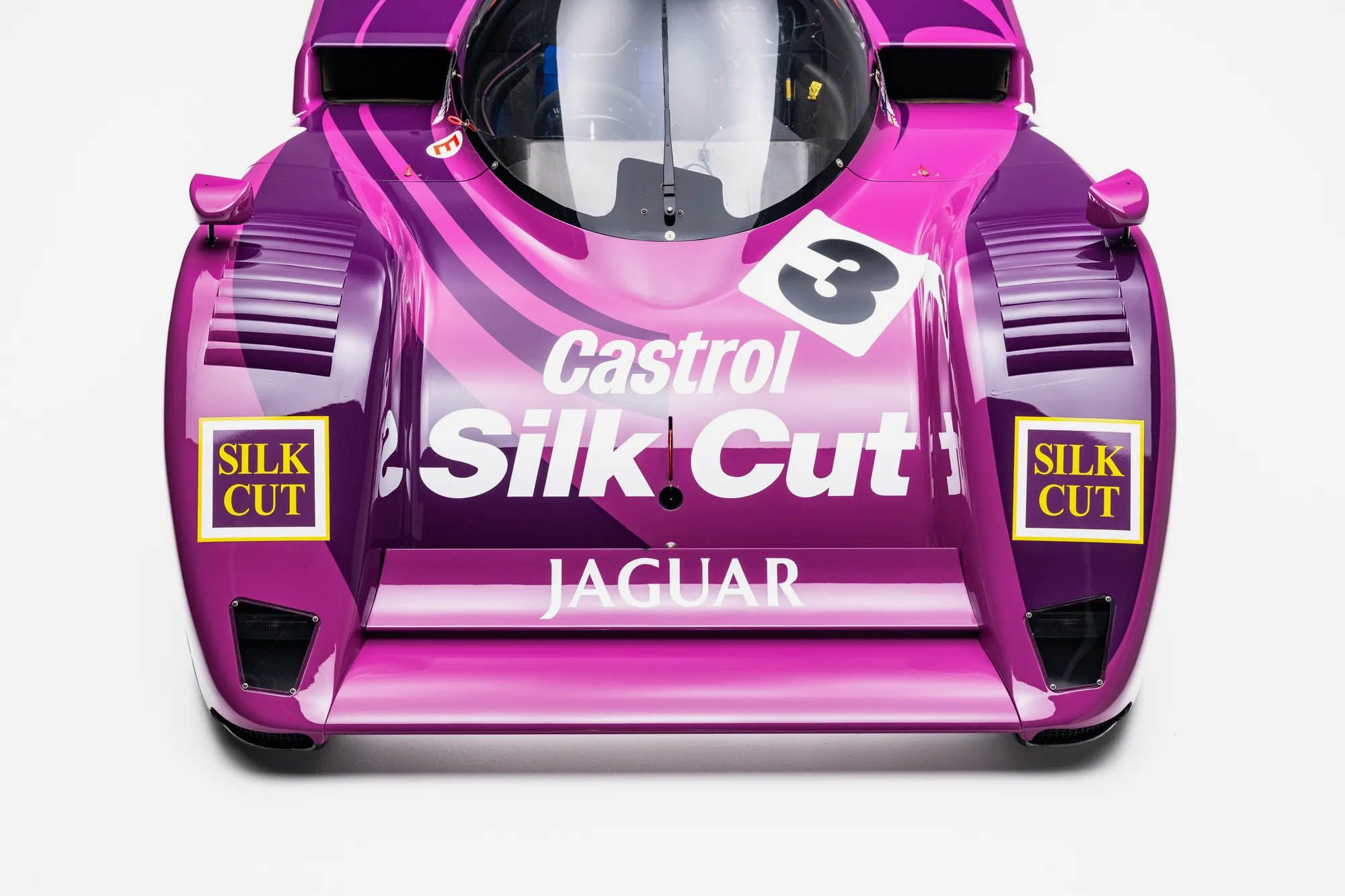
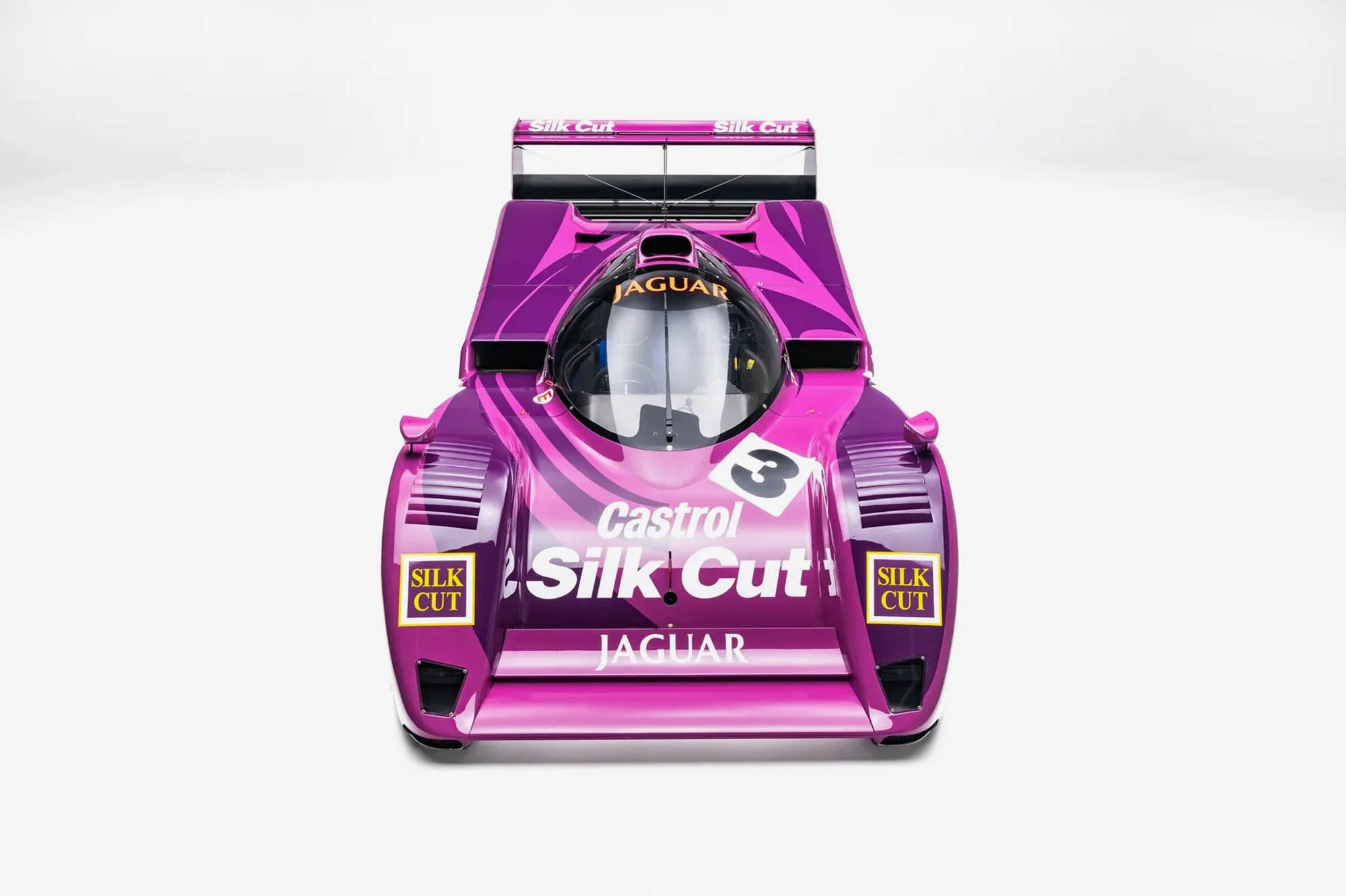
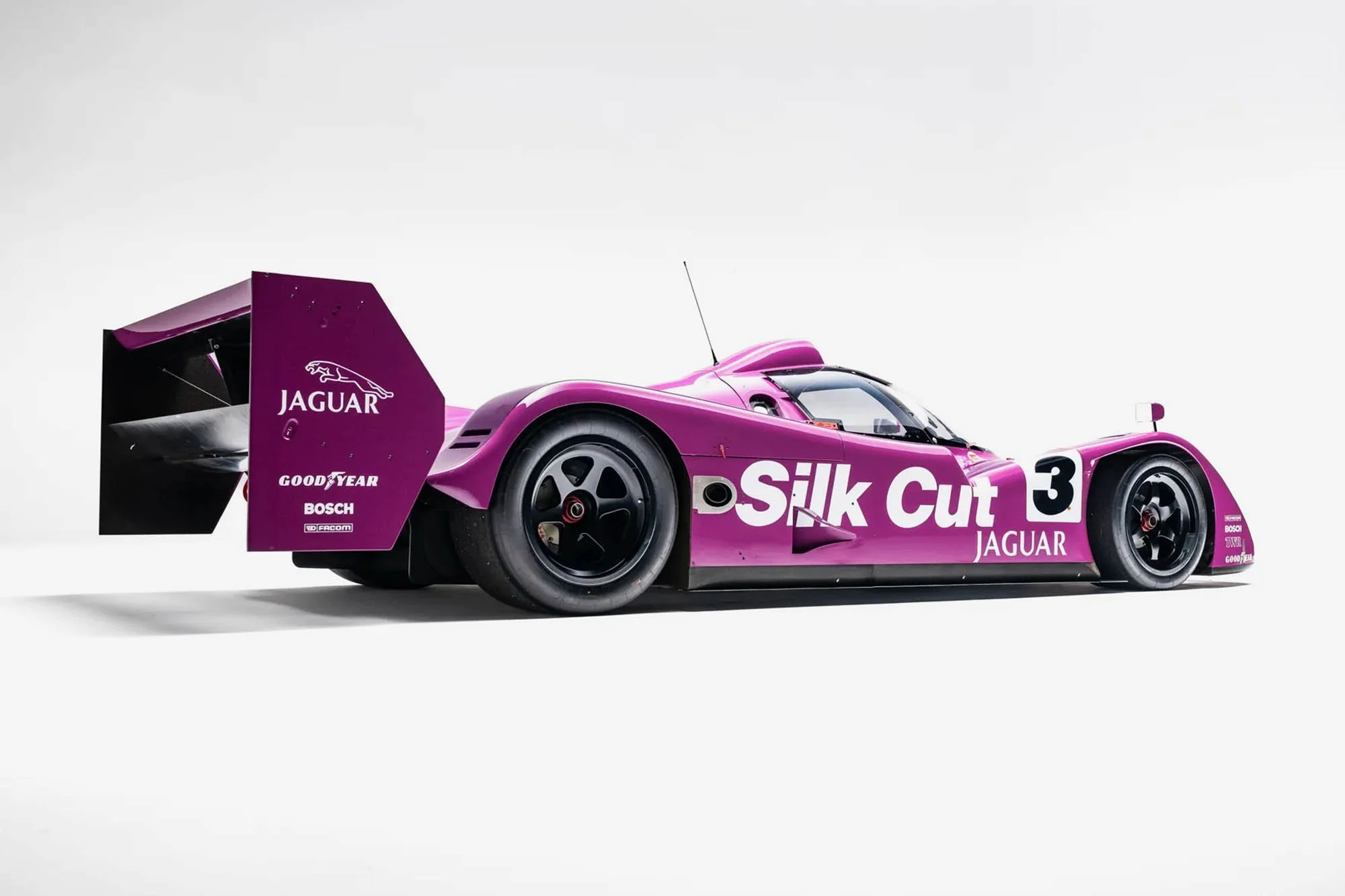
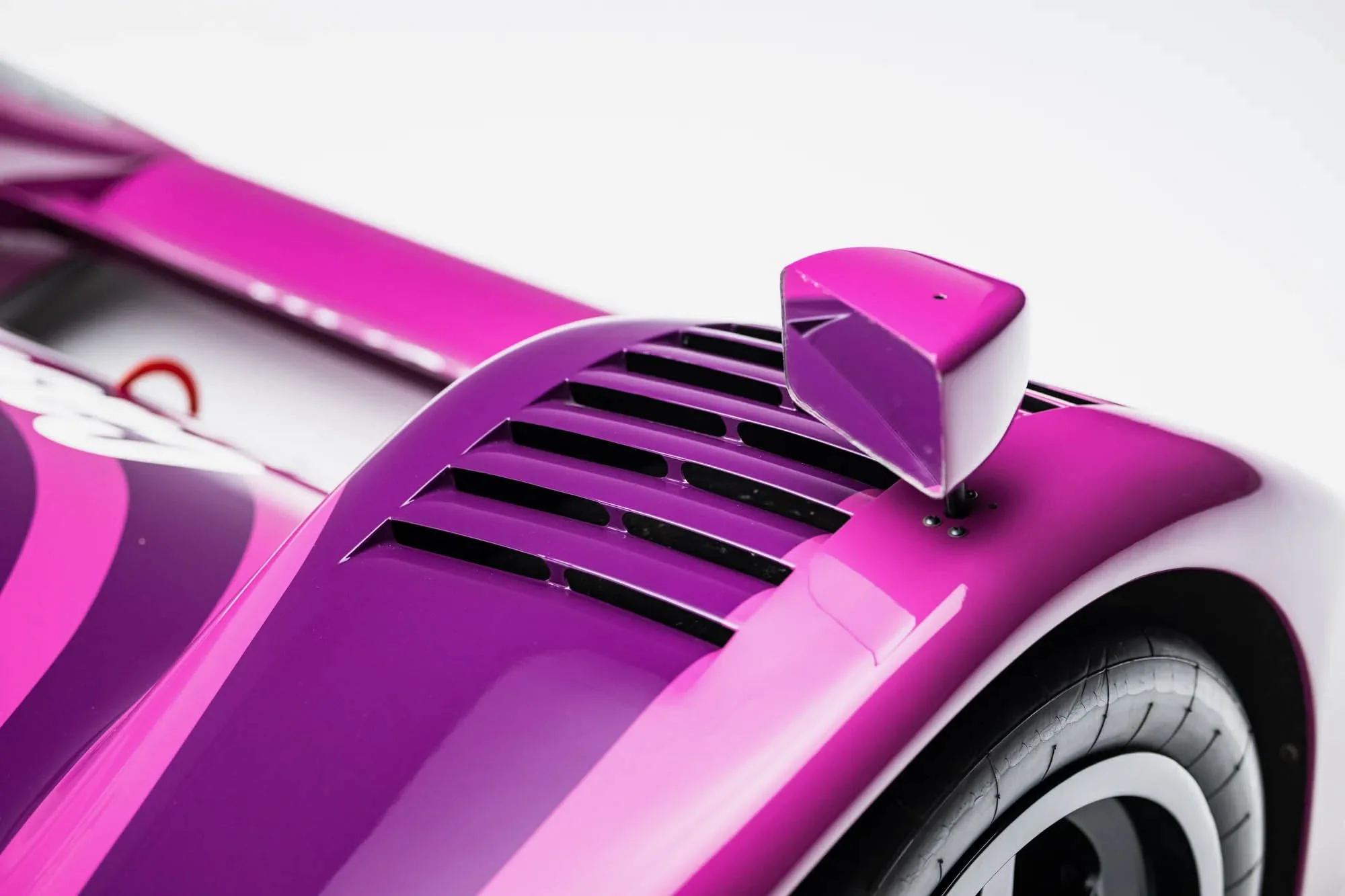
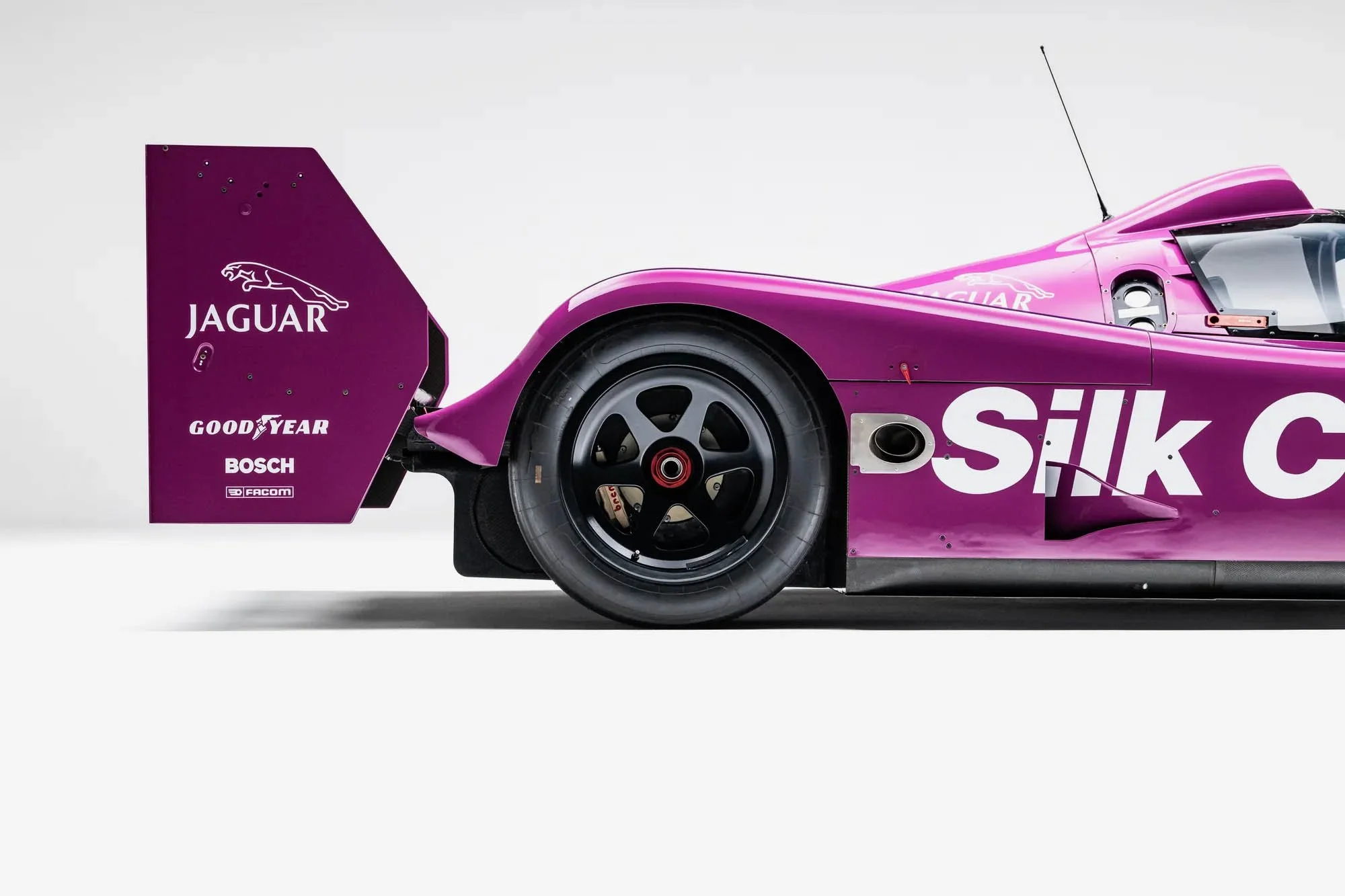
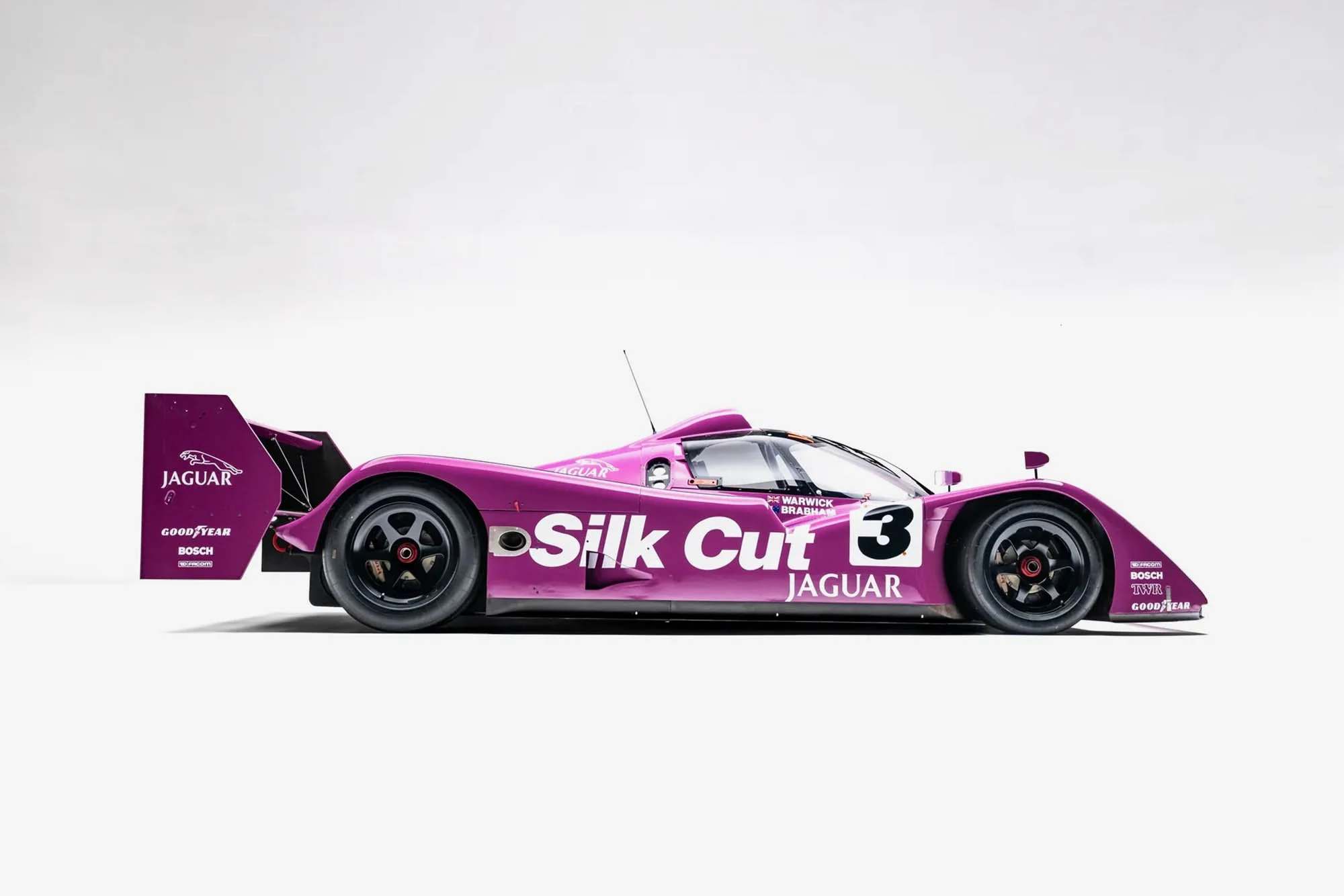
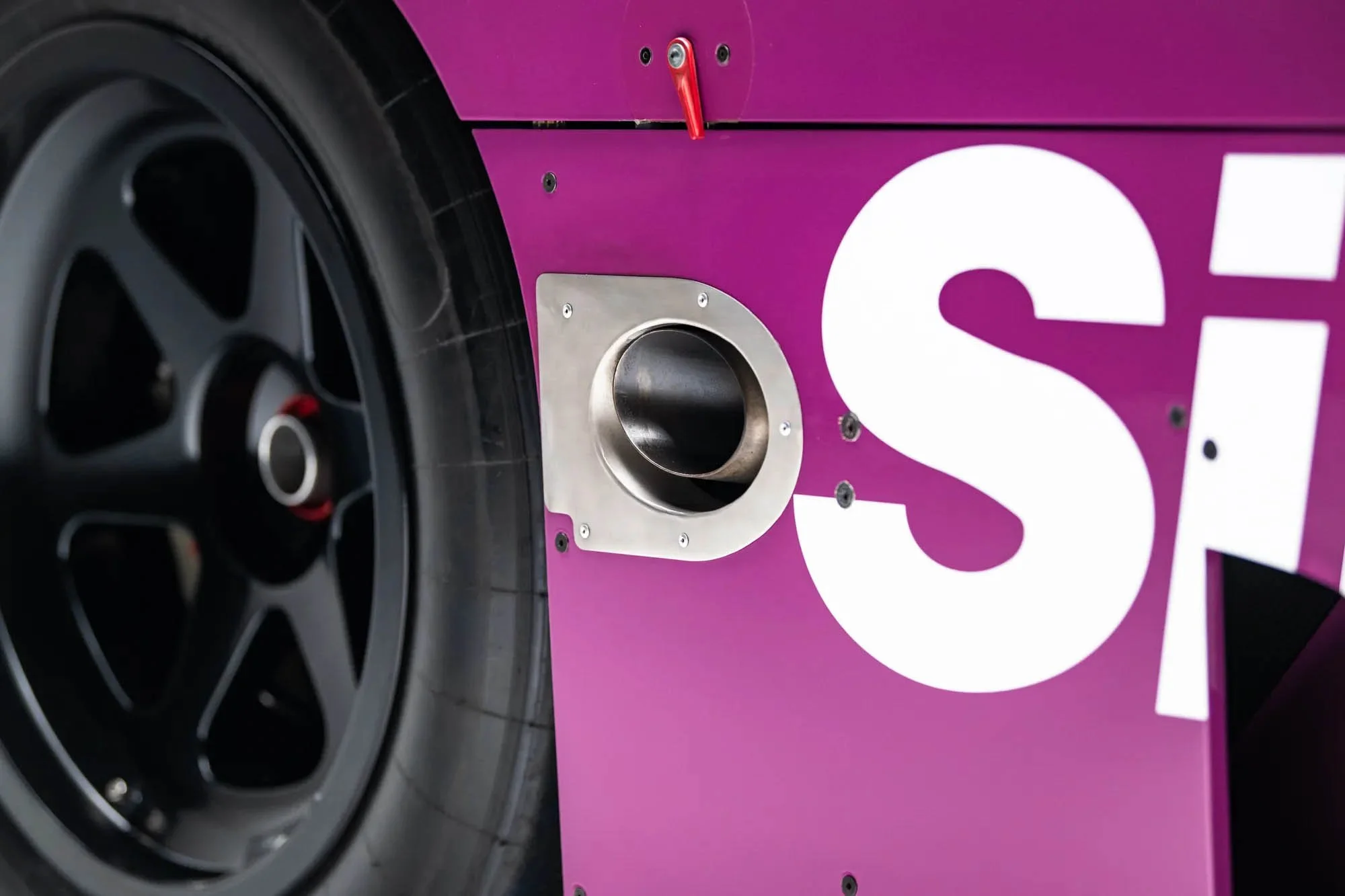
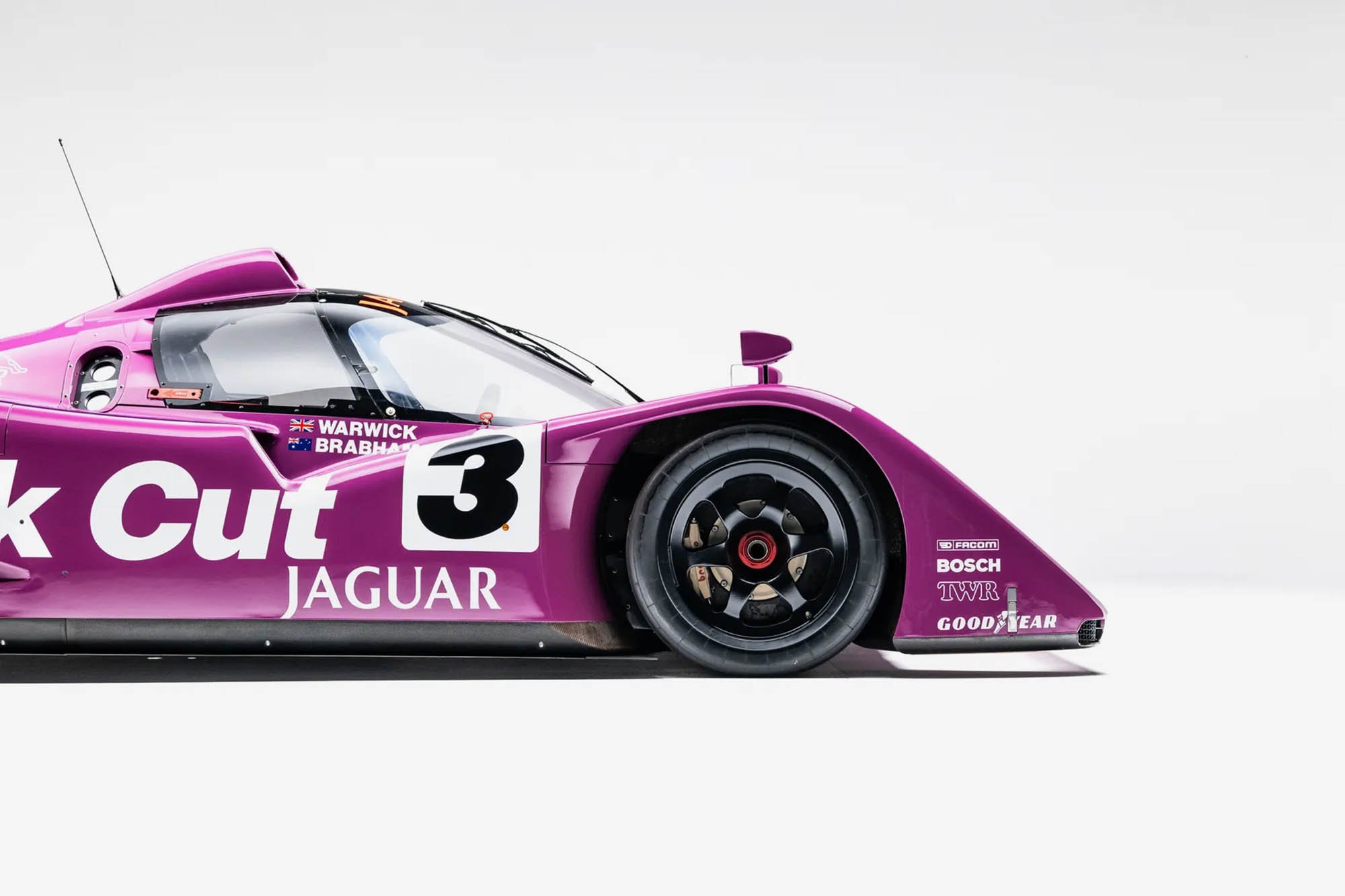
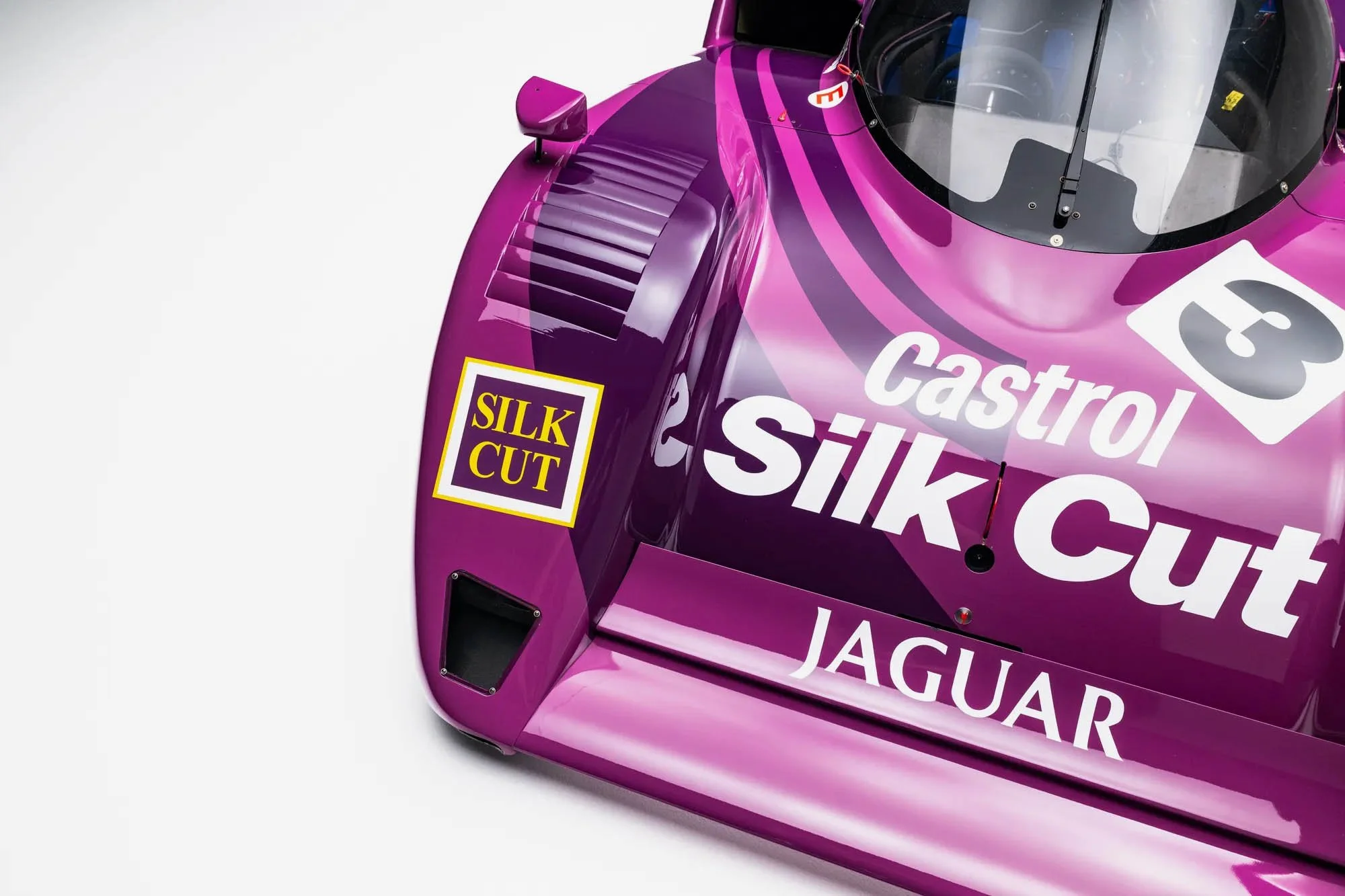
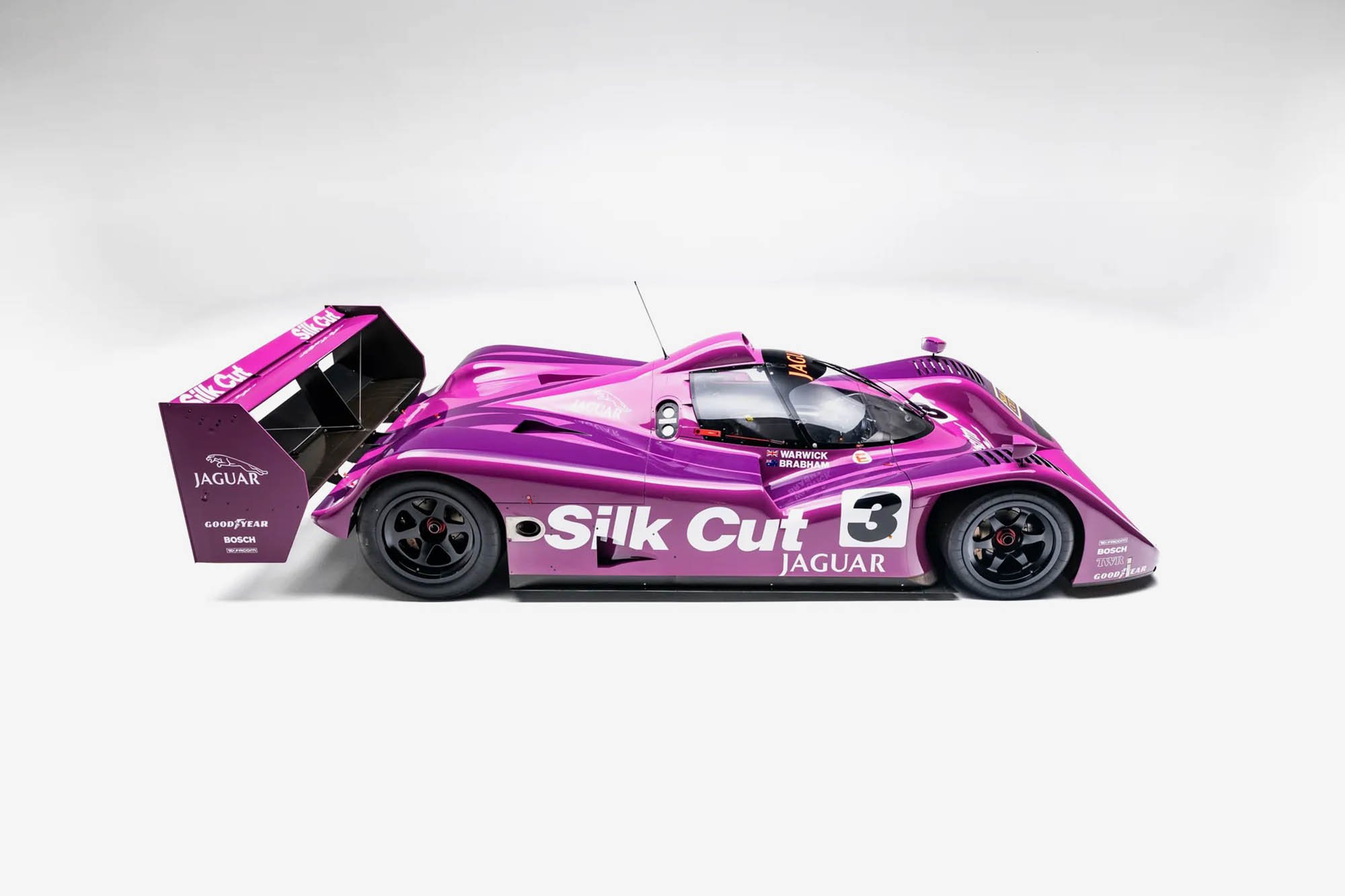
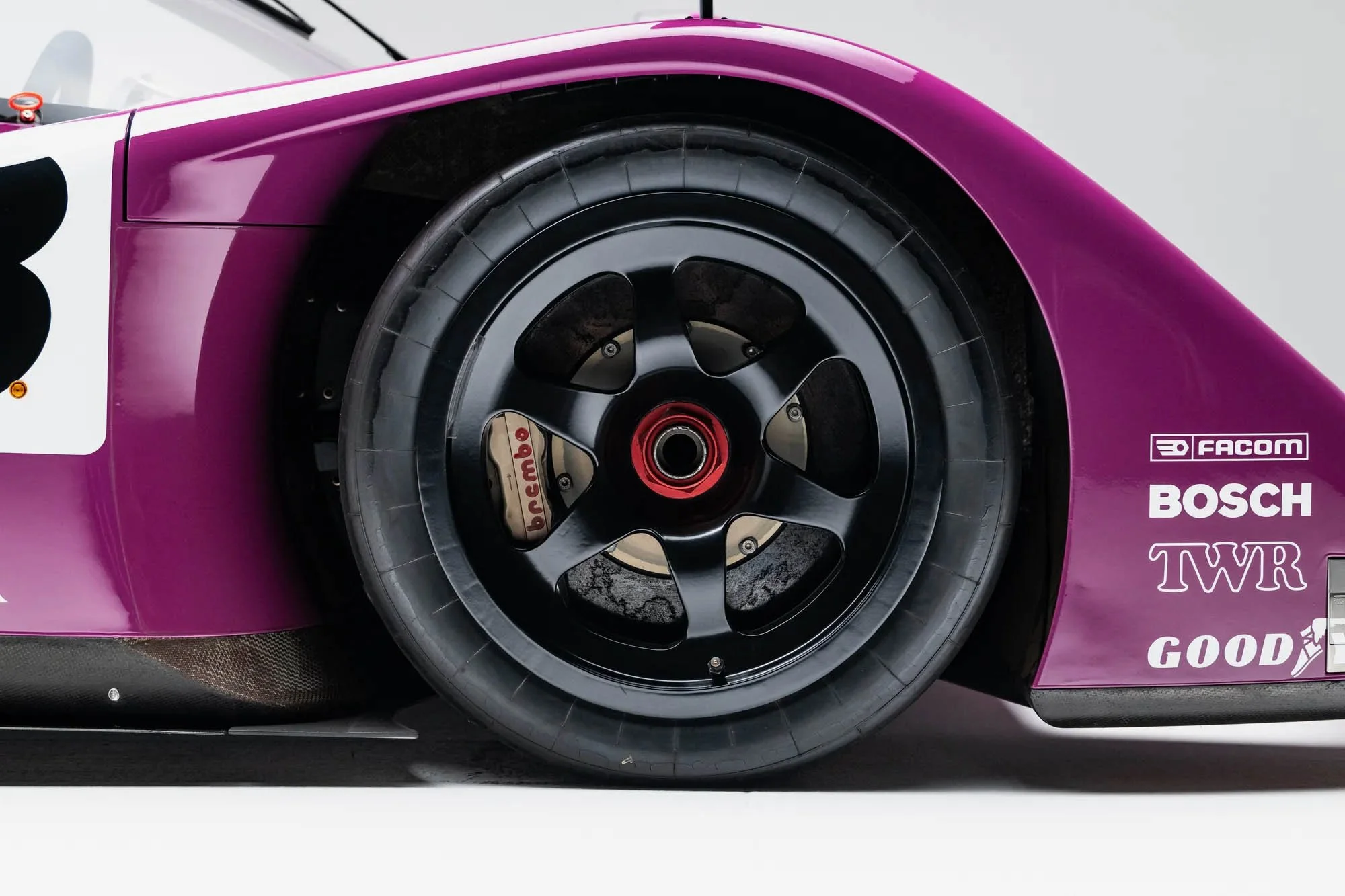
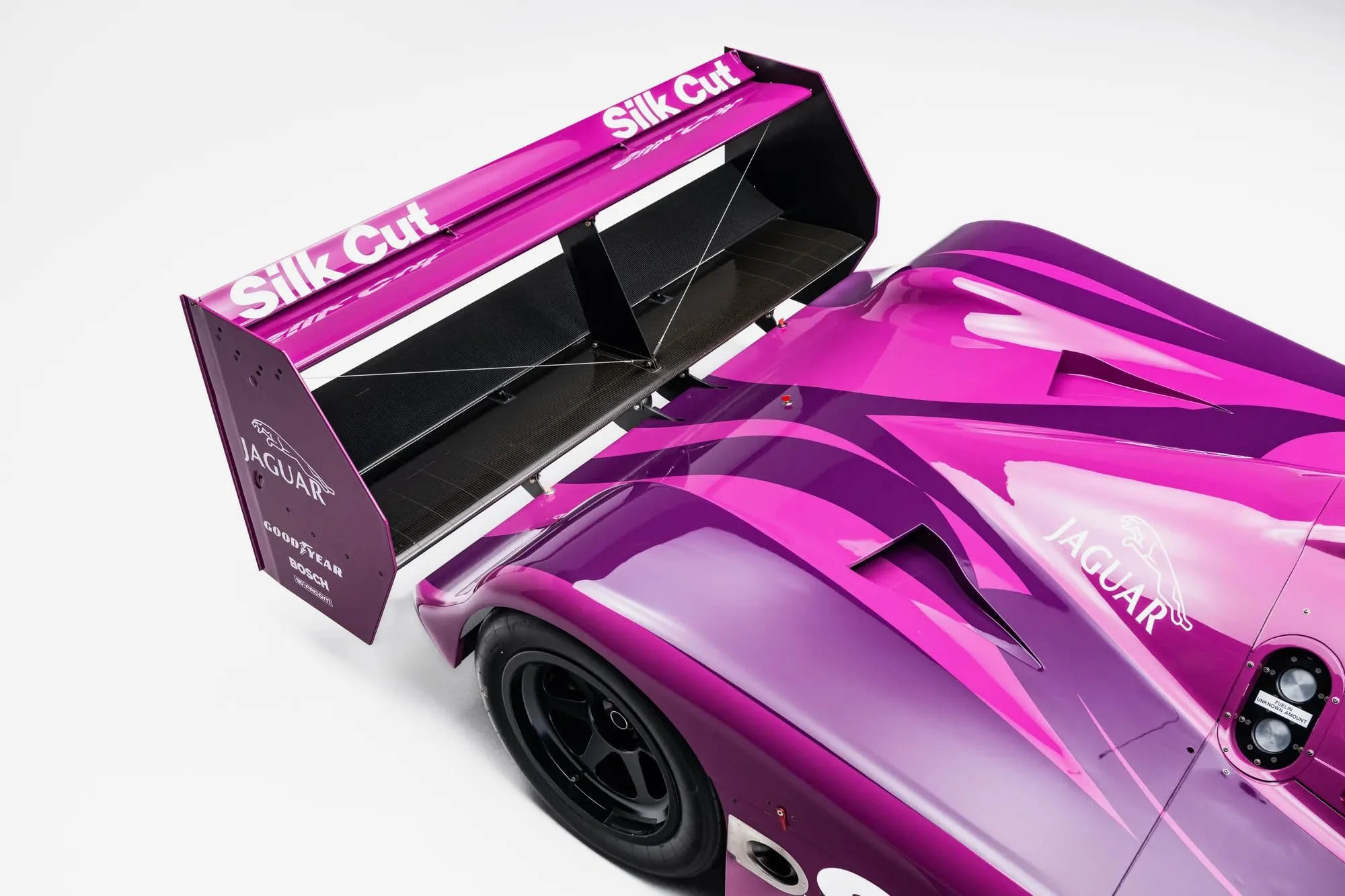
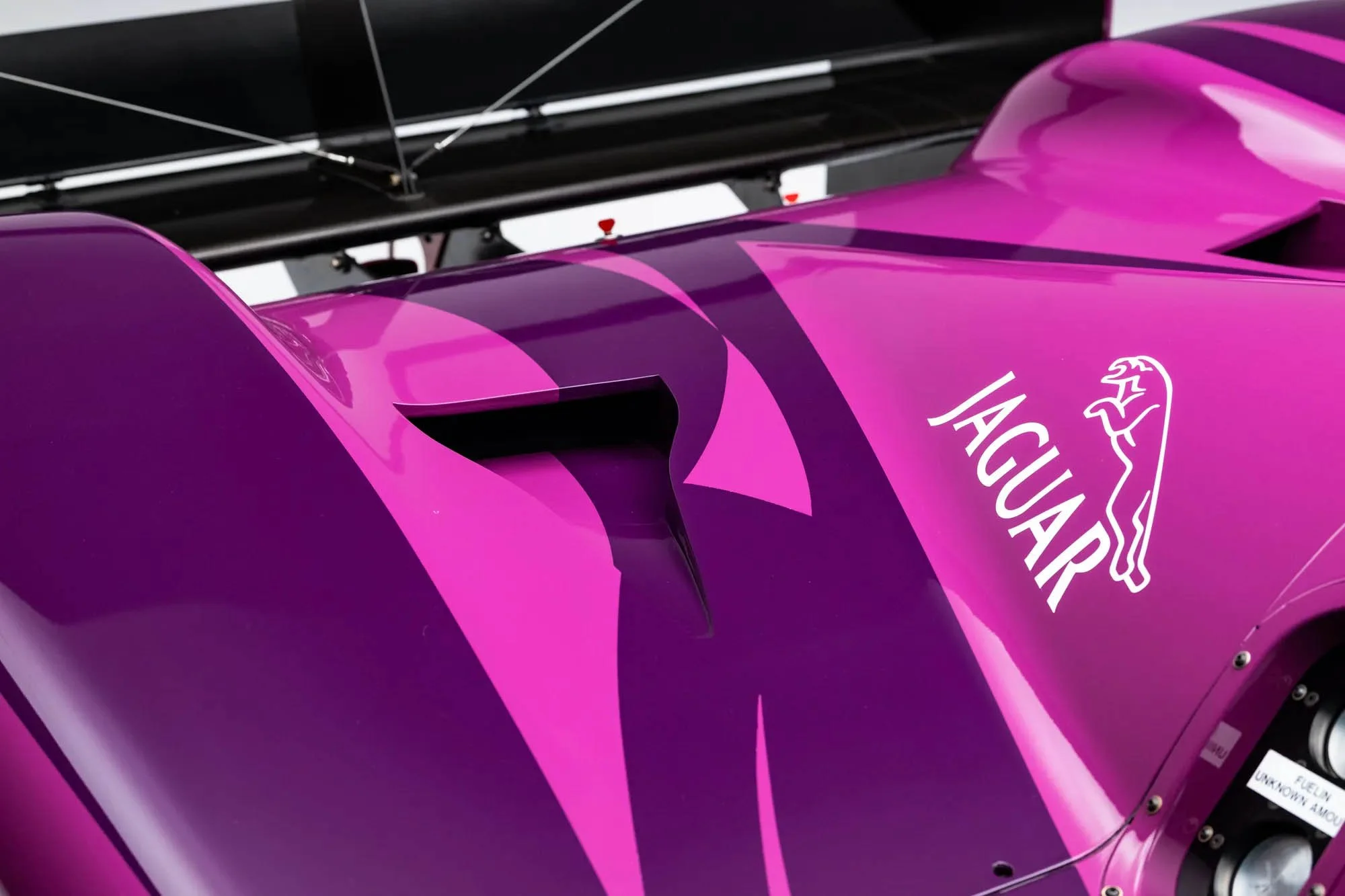
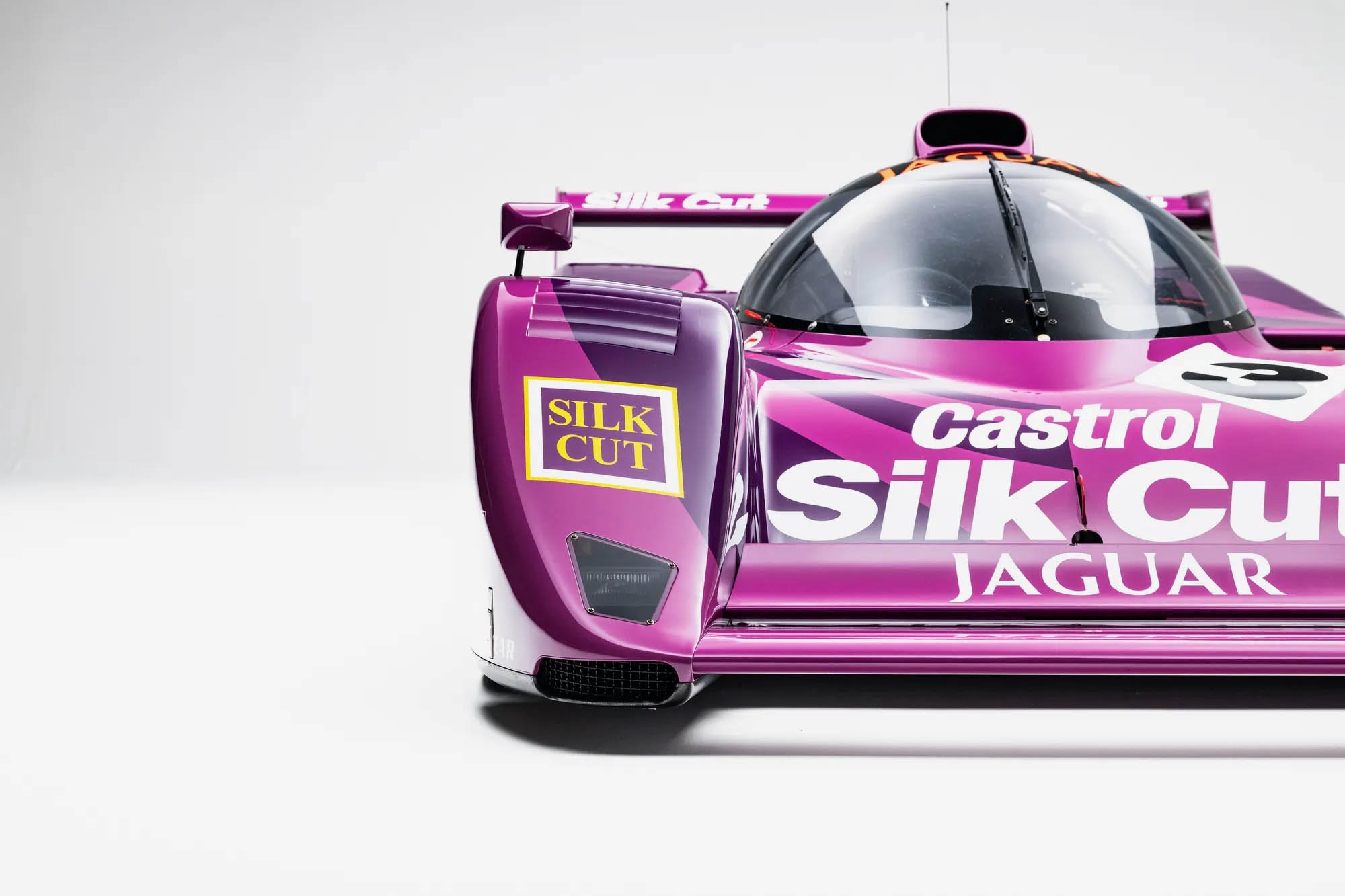
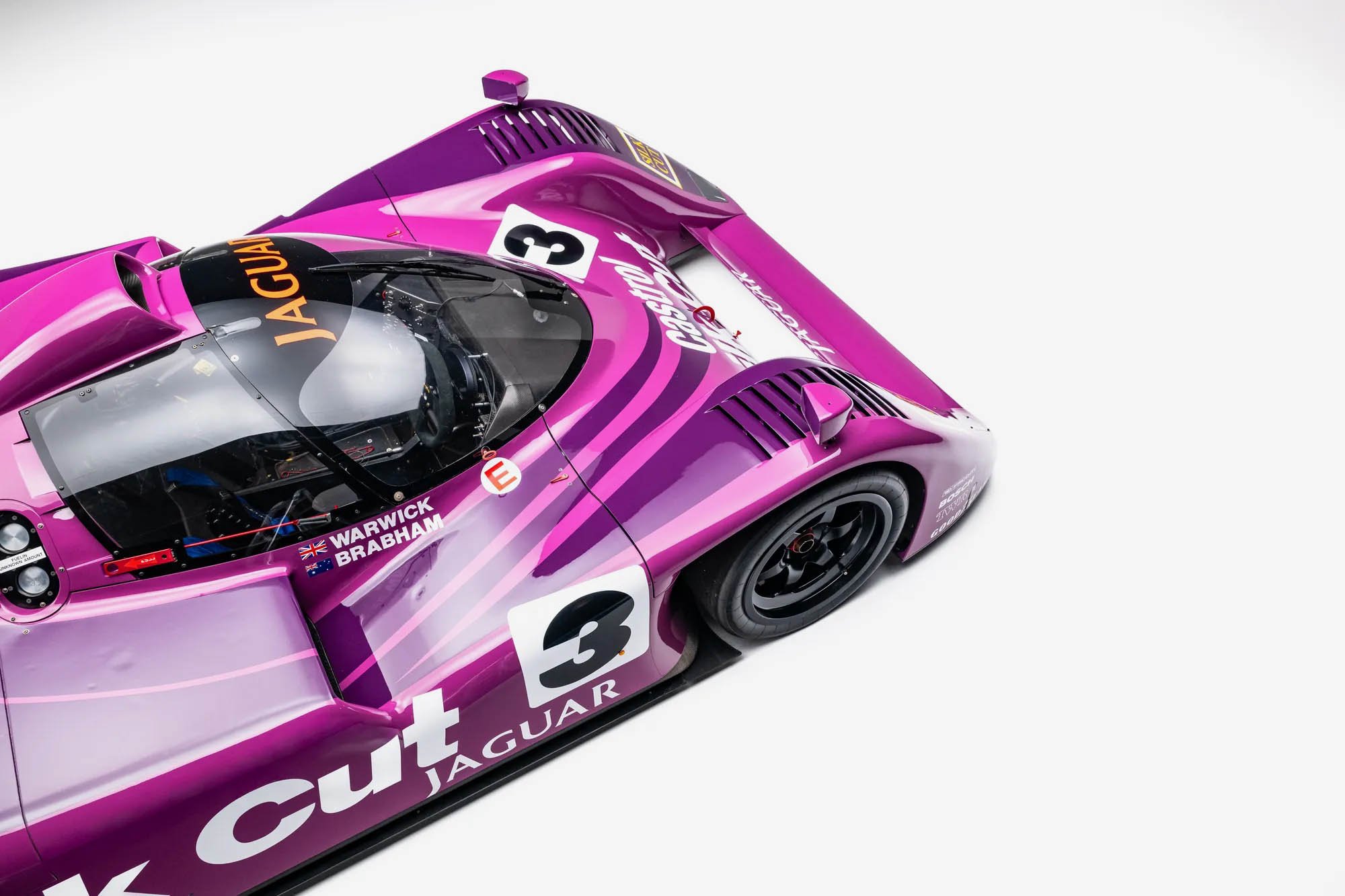
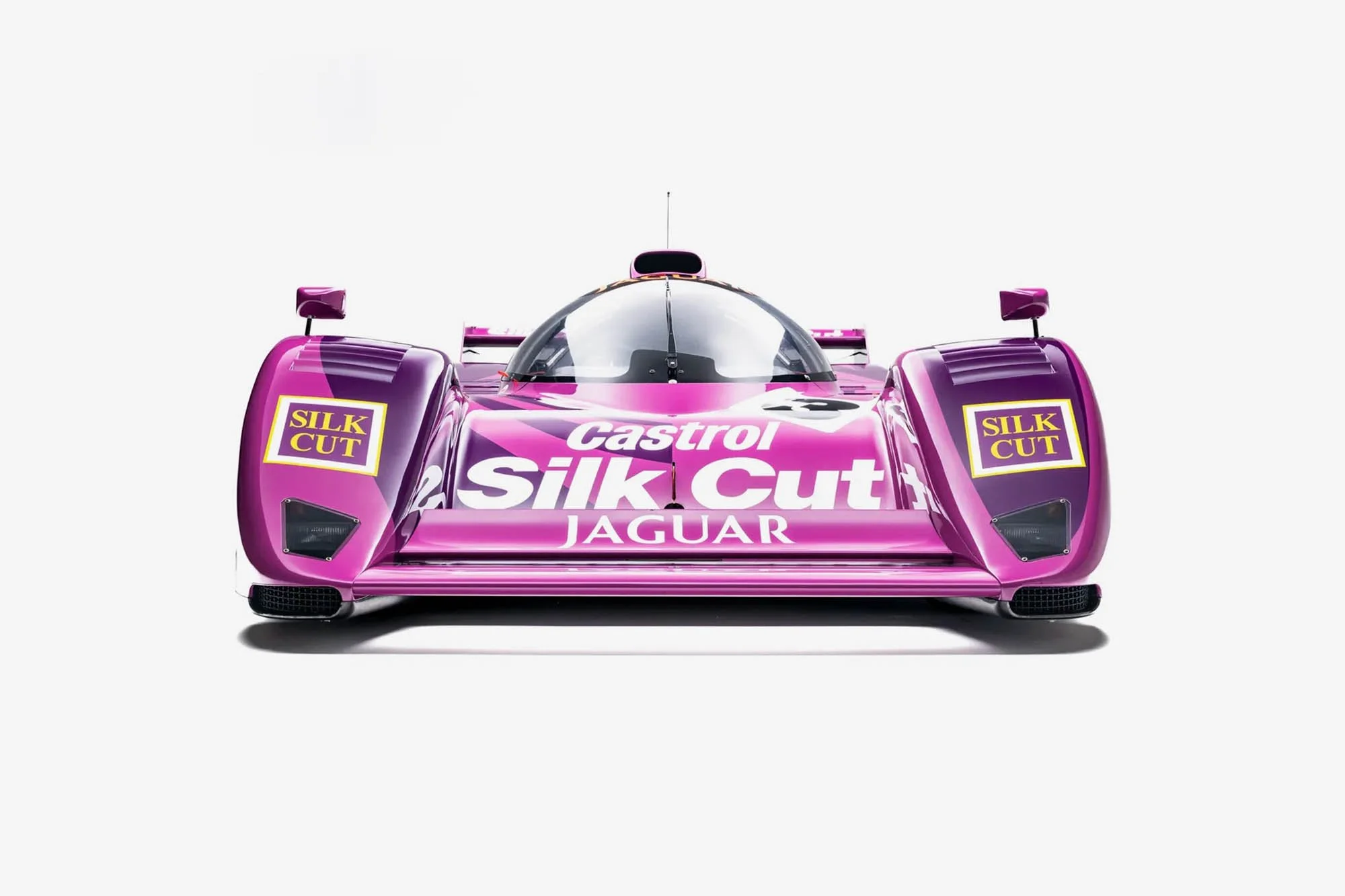
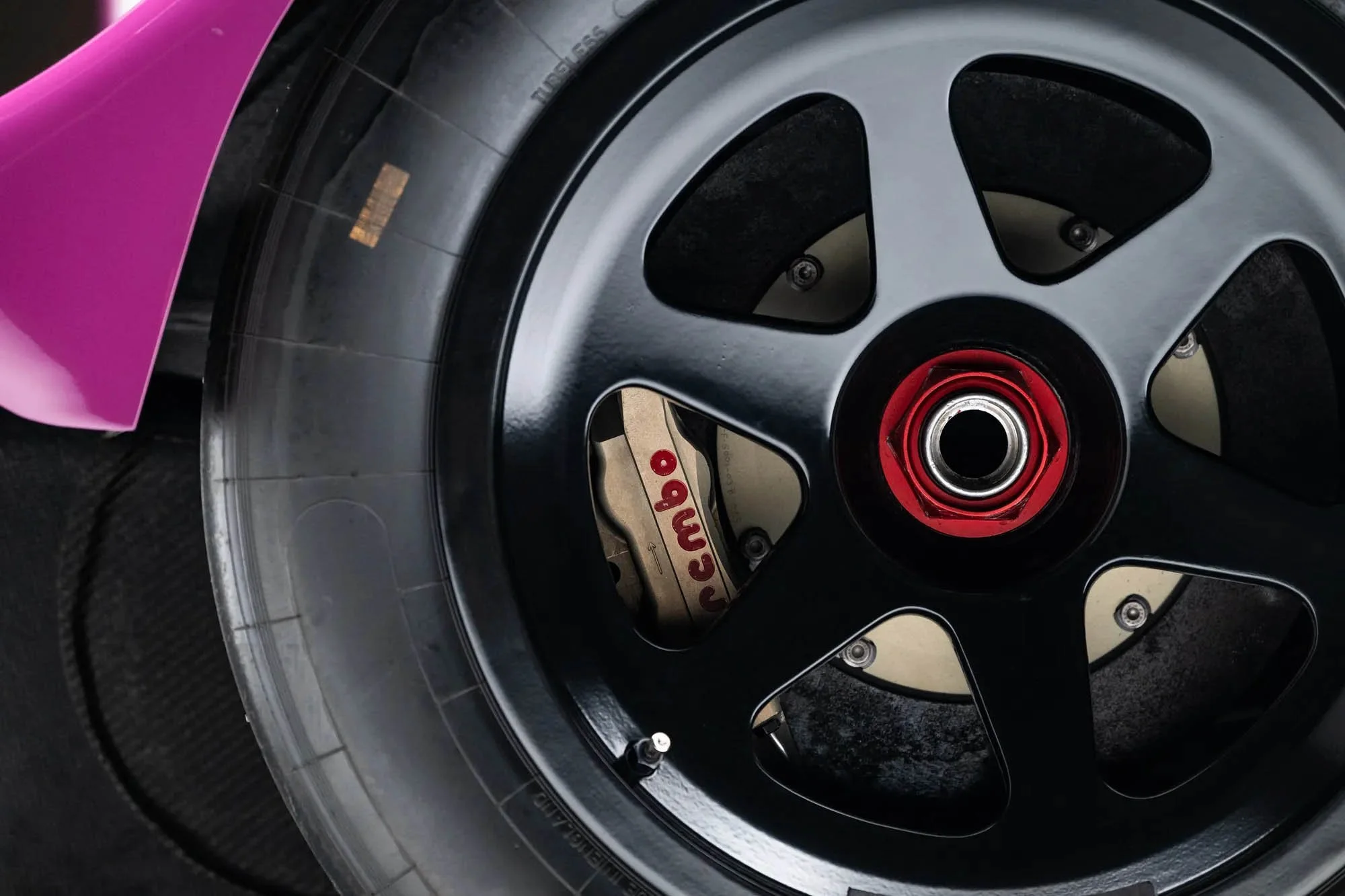
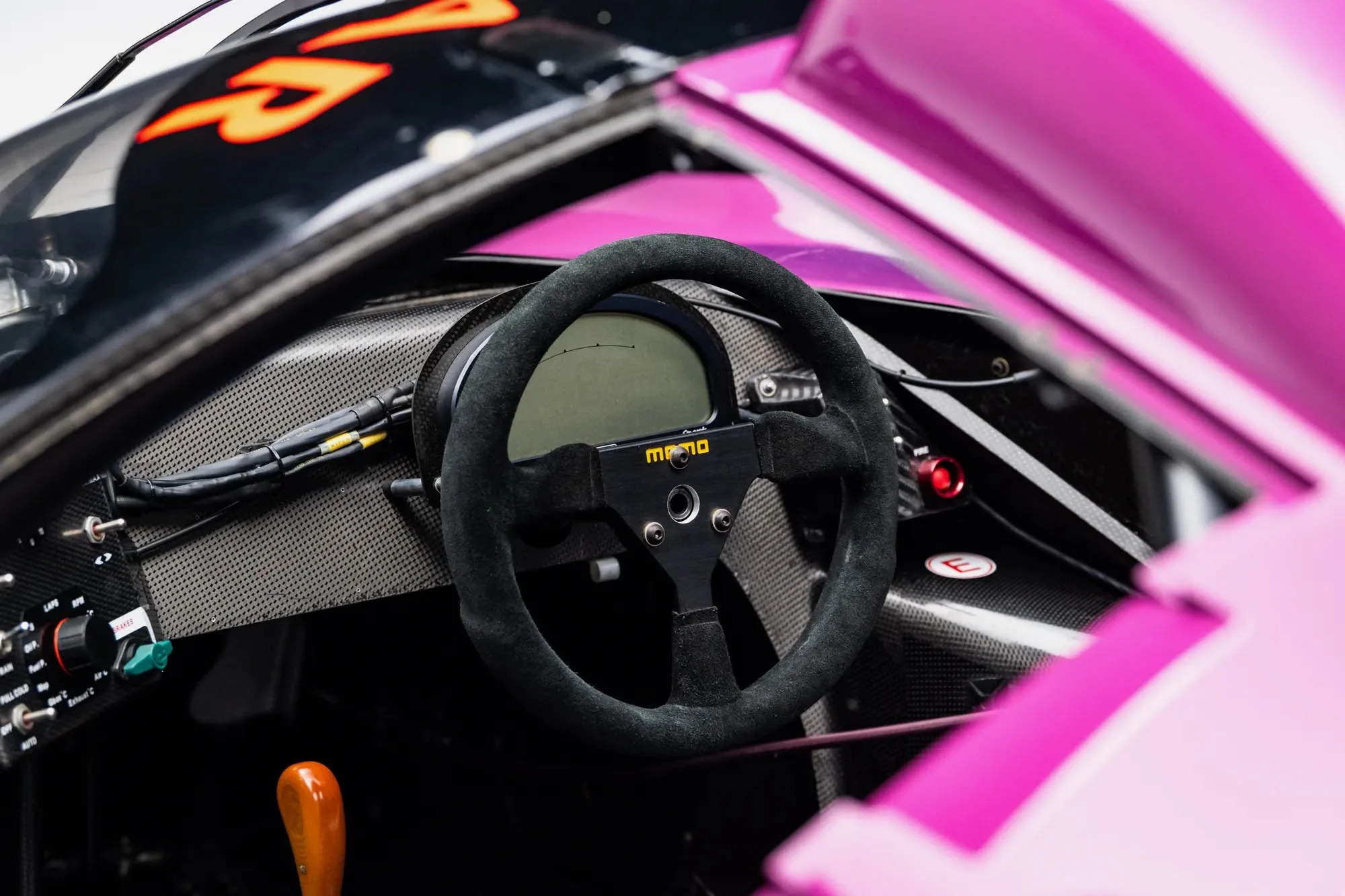
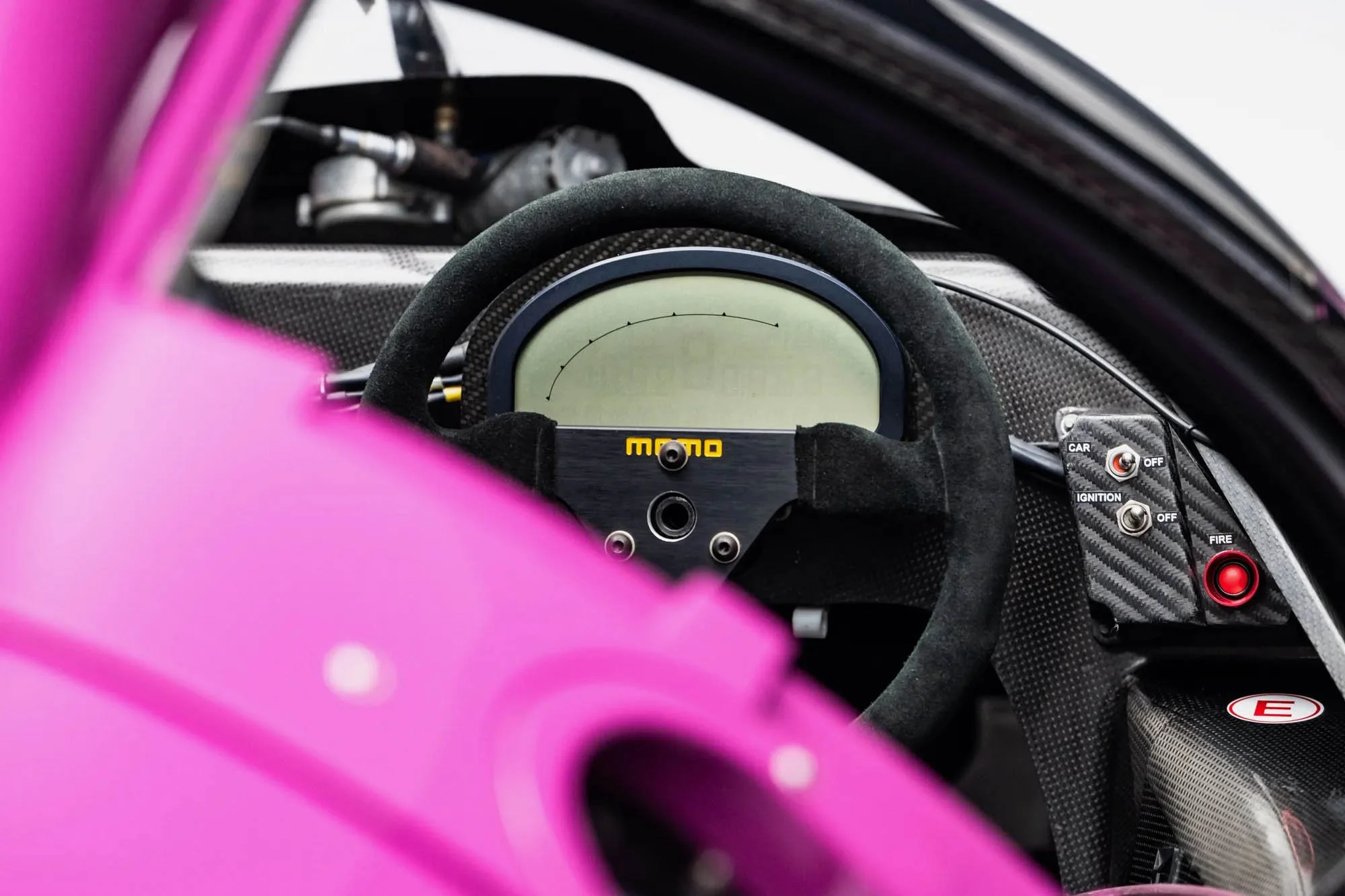
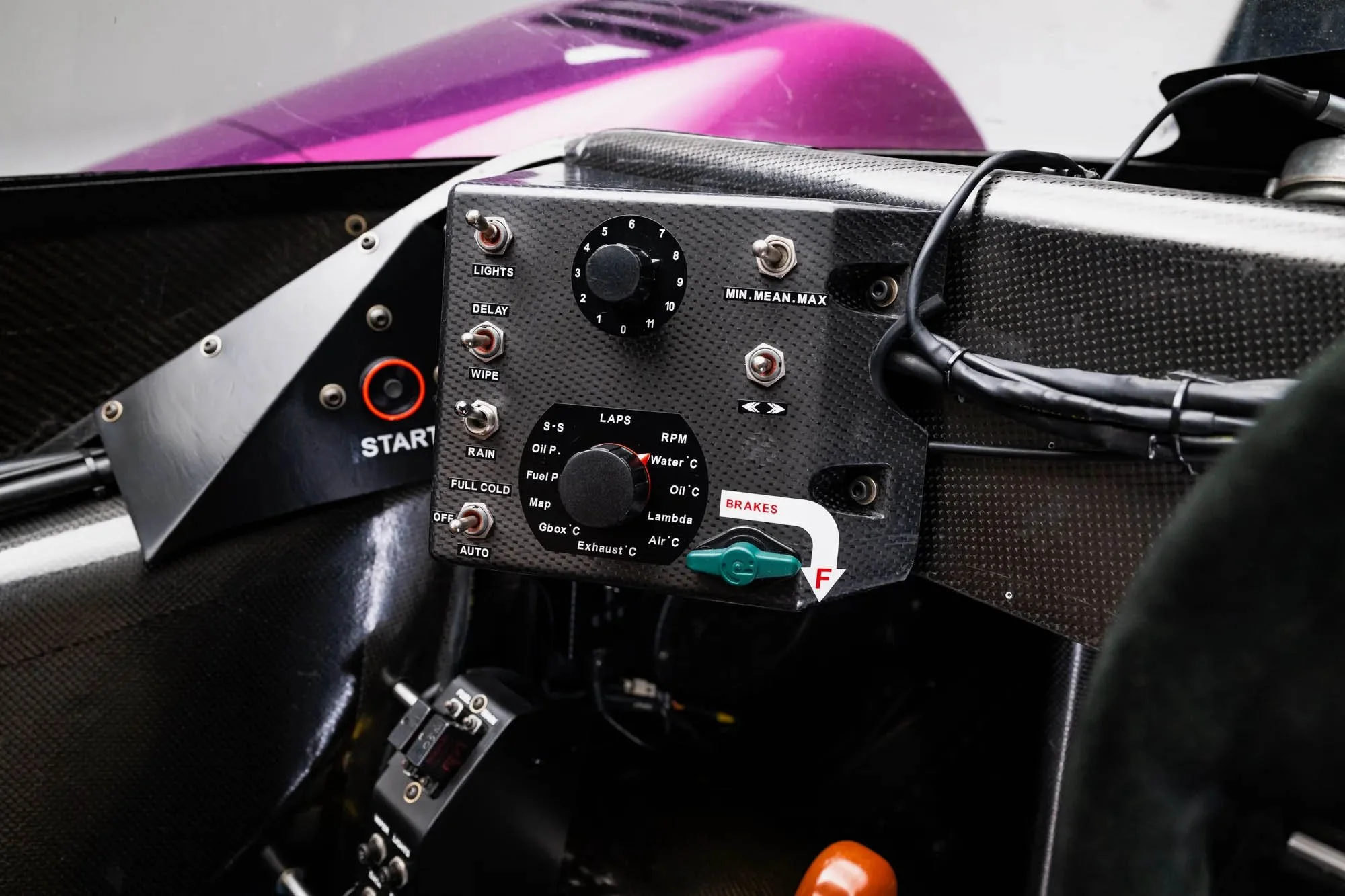
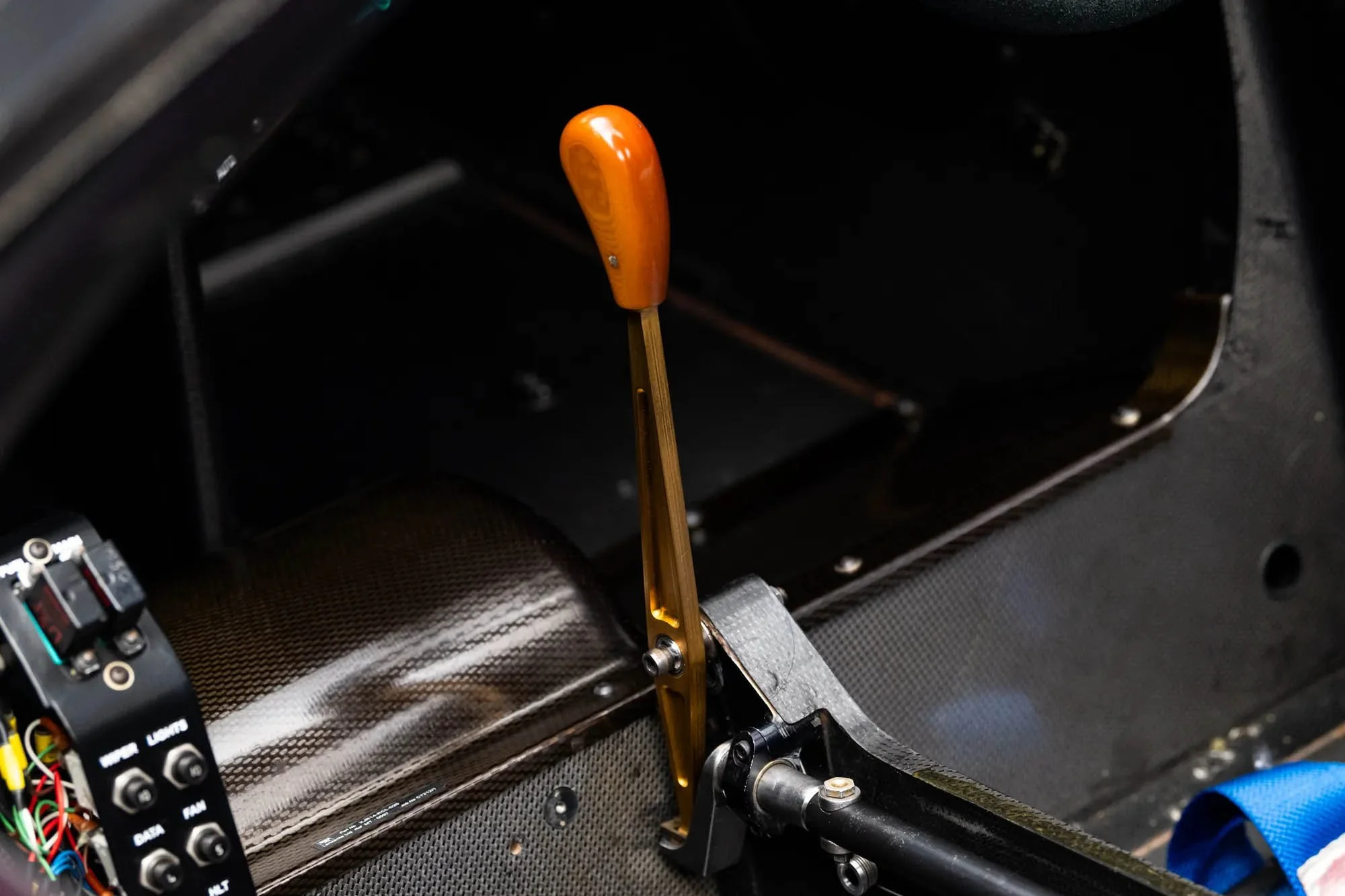
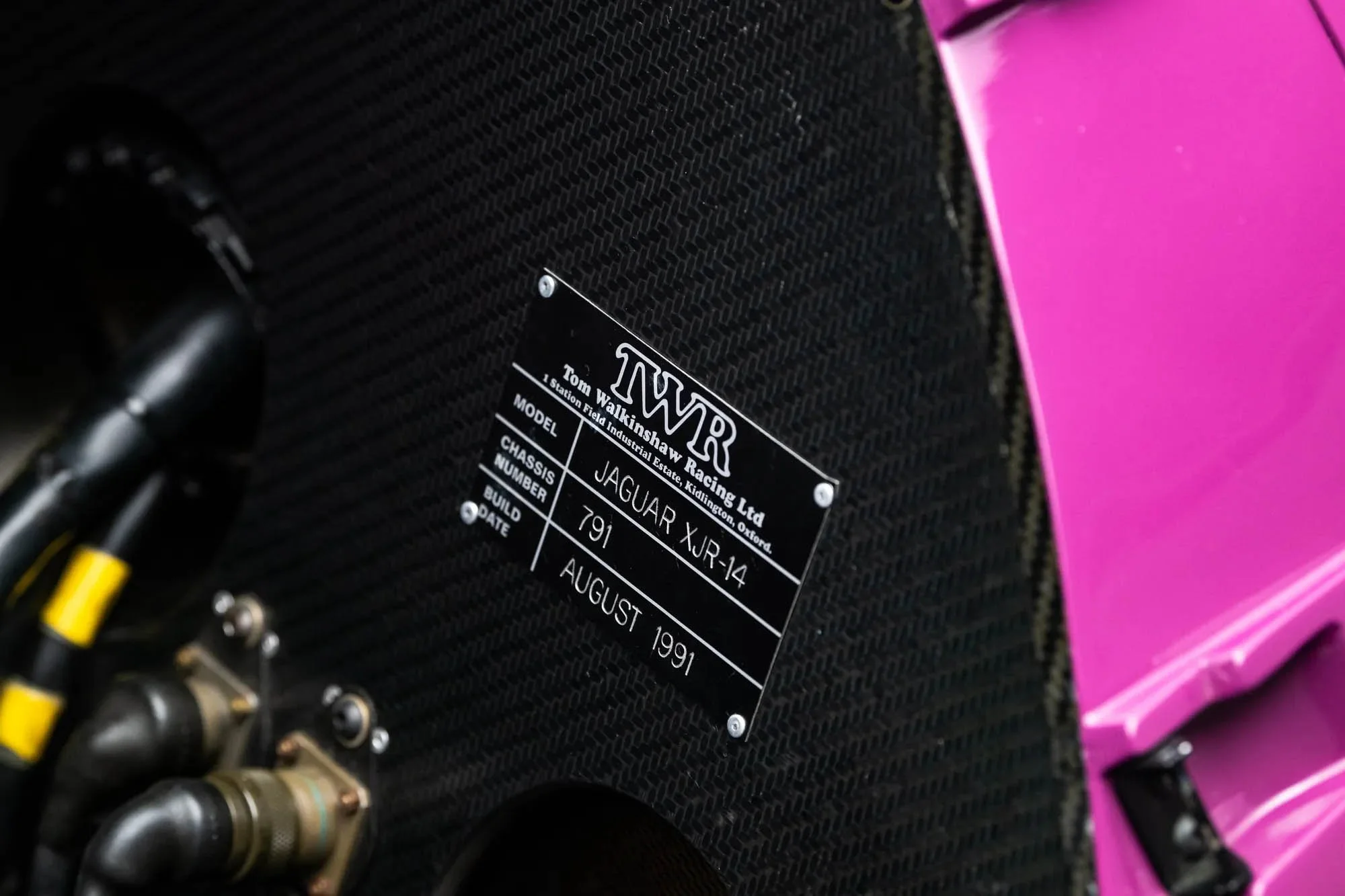
As Group C edged toward its twilight in the early ’90s, the Jaguar XJR-14 stood out as a glimpse of where endurance racing was heading. Built by Tom Walkinshaw Racing for the FIA’s new 3.5-litre regulations, it marked a clean break from Jaguar’s thunderous V12 era: an F1-style carbon monocoque, fully enclosed prototype bodywork and a Jaguar-badged Cosworth HB V8 more at home in a Benetton.
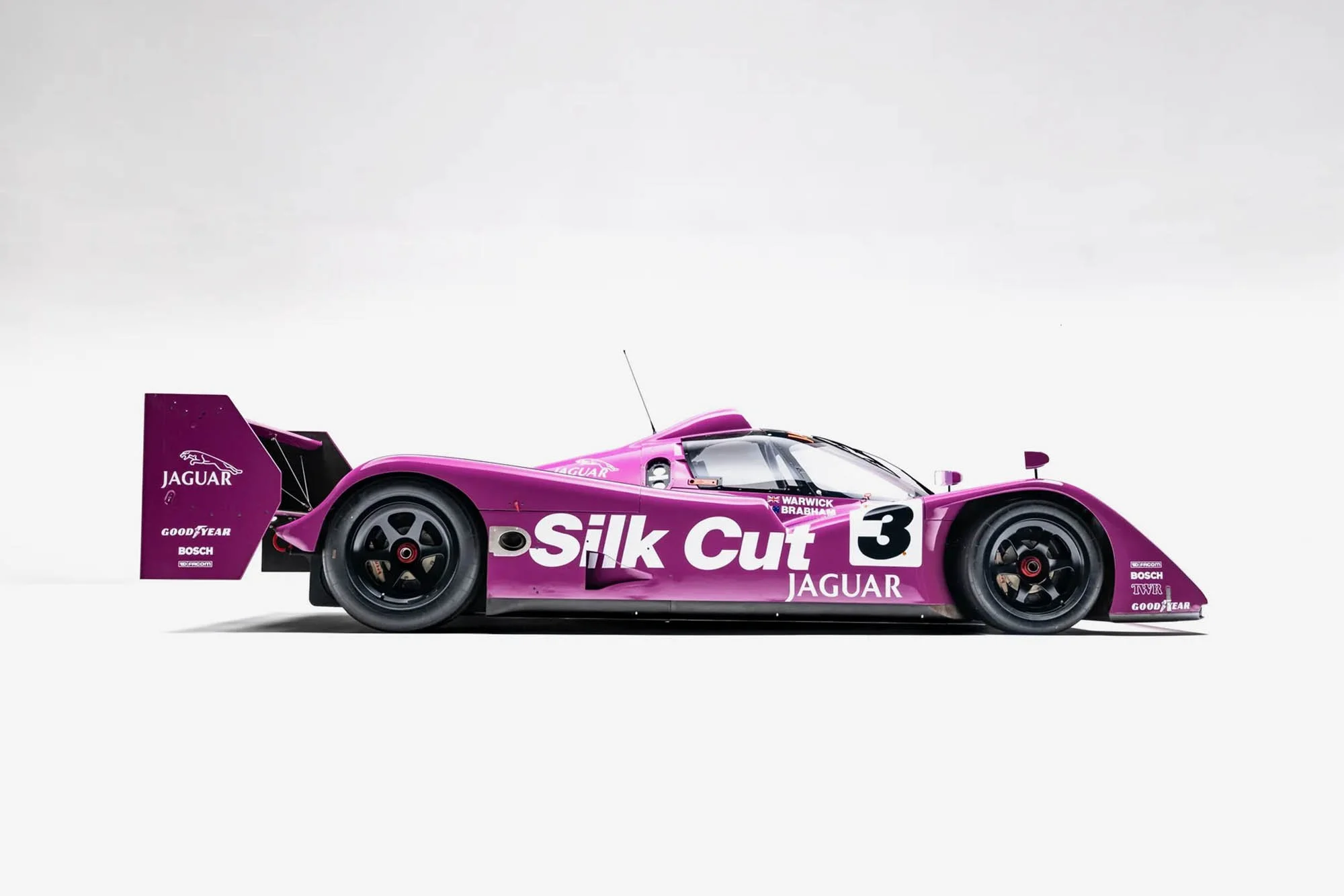
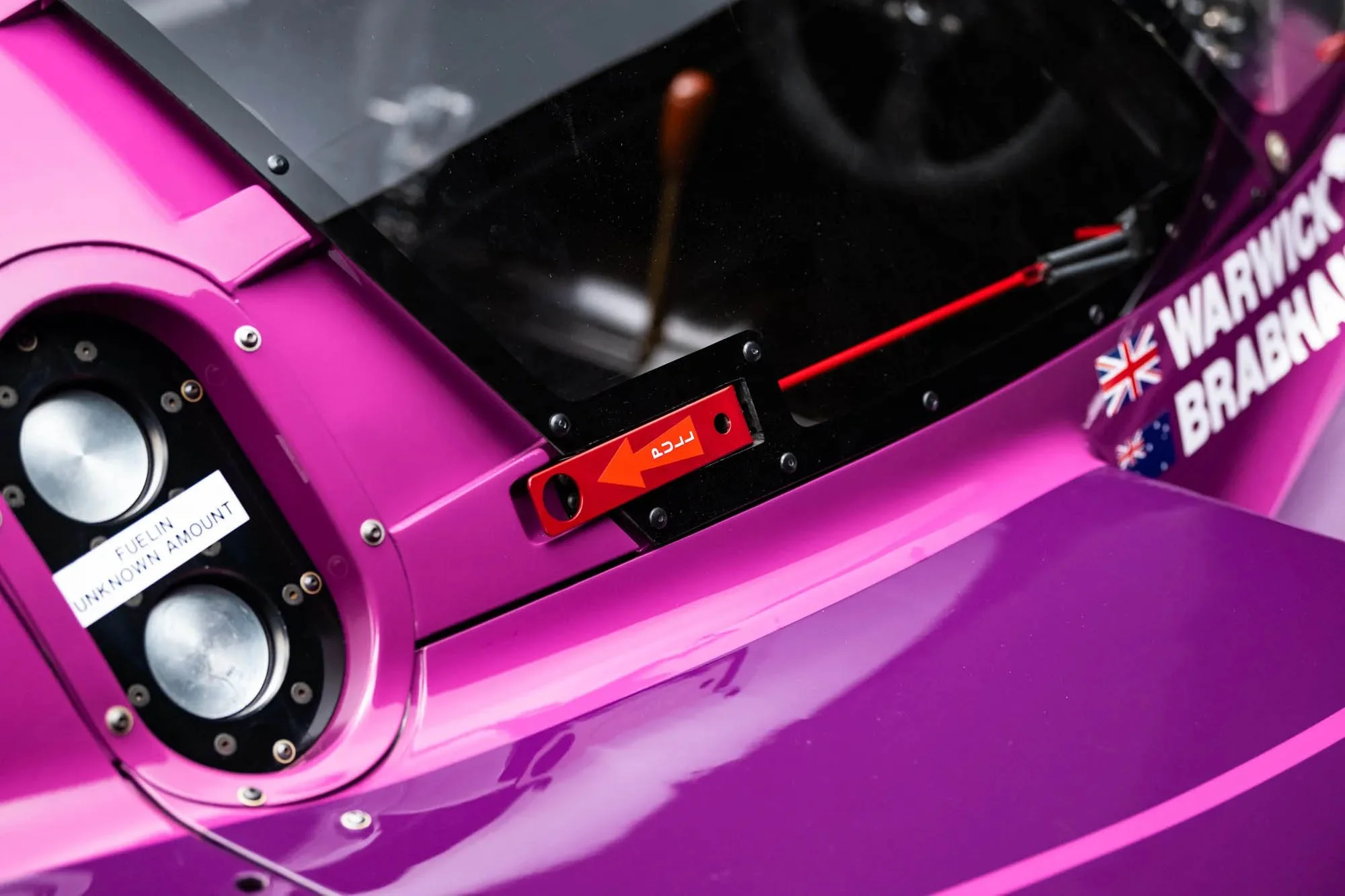
Just three XJR-14s were made, all finished in Silk Cut purple and raced by an enviable line-up including Derek Warwick, Martin Brundle, Teo Fabi and David Brabham. The car featured here, chassis 791, was the last of the trio and arguably the most significant. Introduced mid-season in 1991, it won on debut at the Nürburgring 1000 km with Warwick and Brabham, underlining just how advanced the design was.
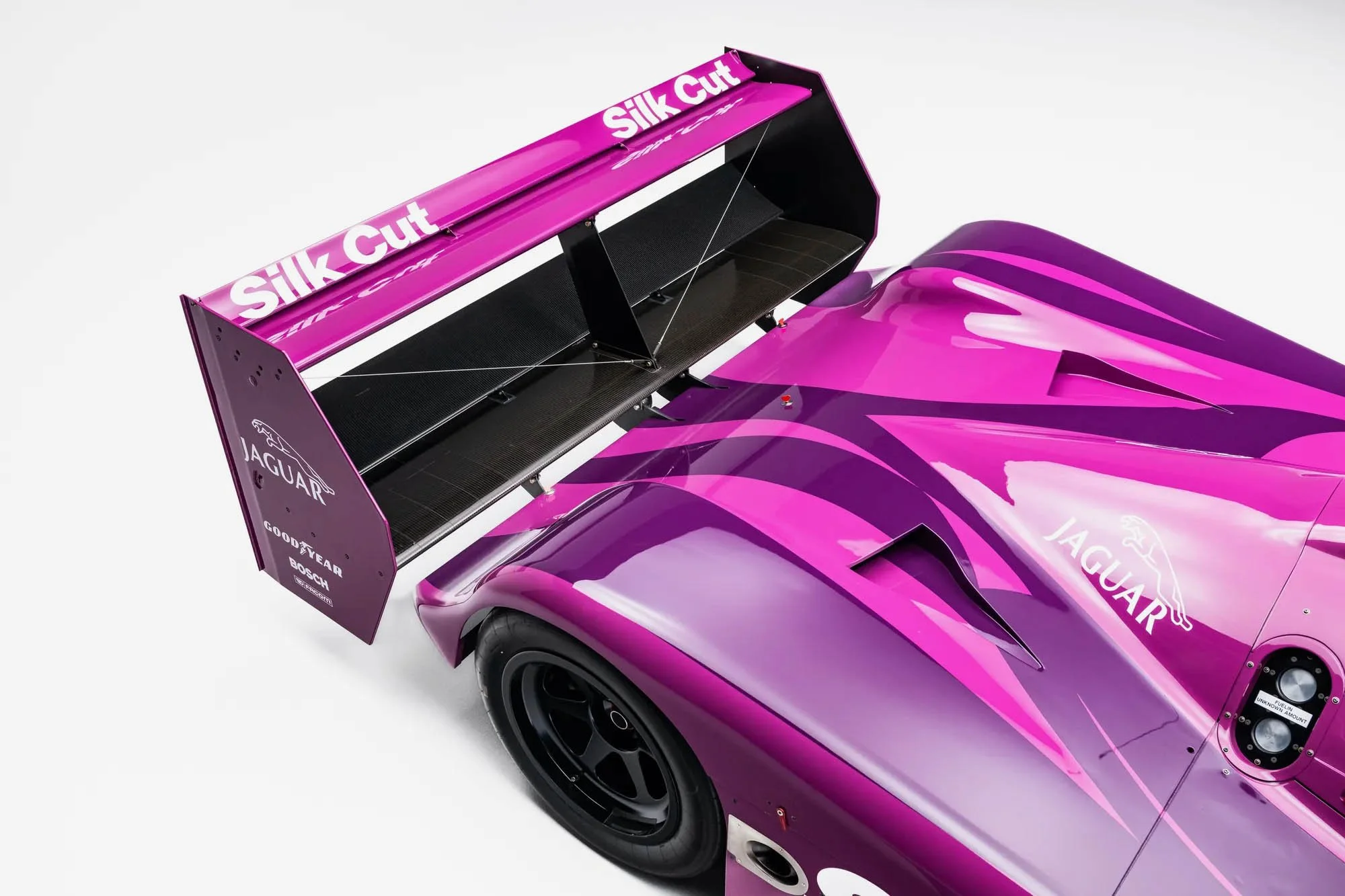
Penned by Ross Brawn, lured from Arrows F1, the XJR-14 was effectively a Formula 1 car reshaped for endurance racing. No doors, rear entry only and minimal concessions to tradition: it was radical, efficient and utterly modern. In a short World Sportscar Championship campaign, chassis 791 helped Jaguar secure the 1991 title before the programme was curtailed for financial reasons.
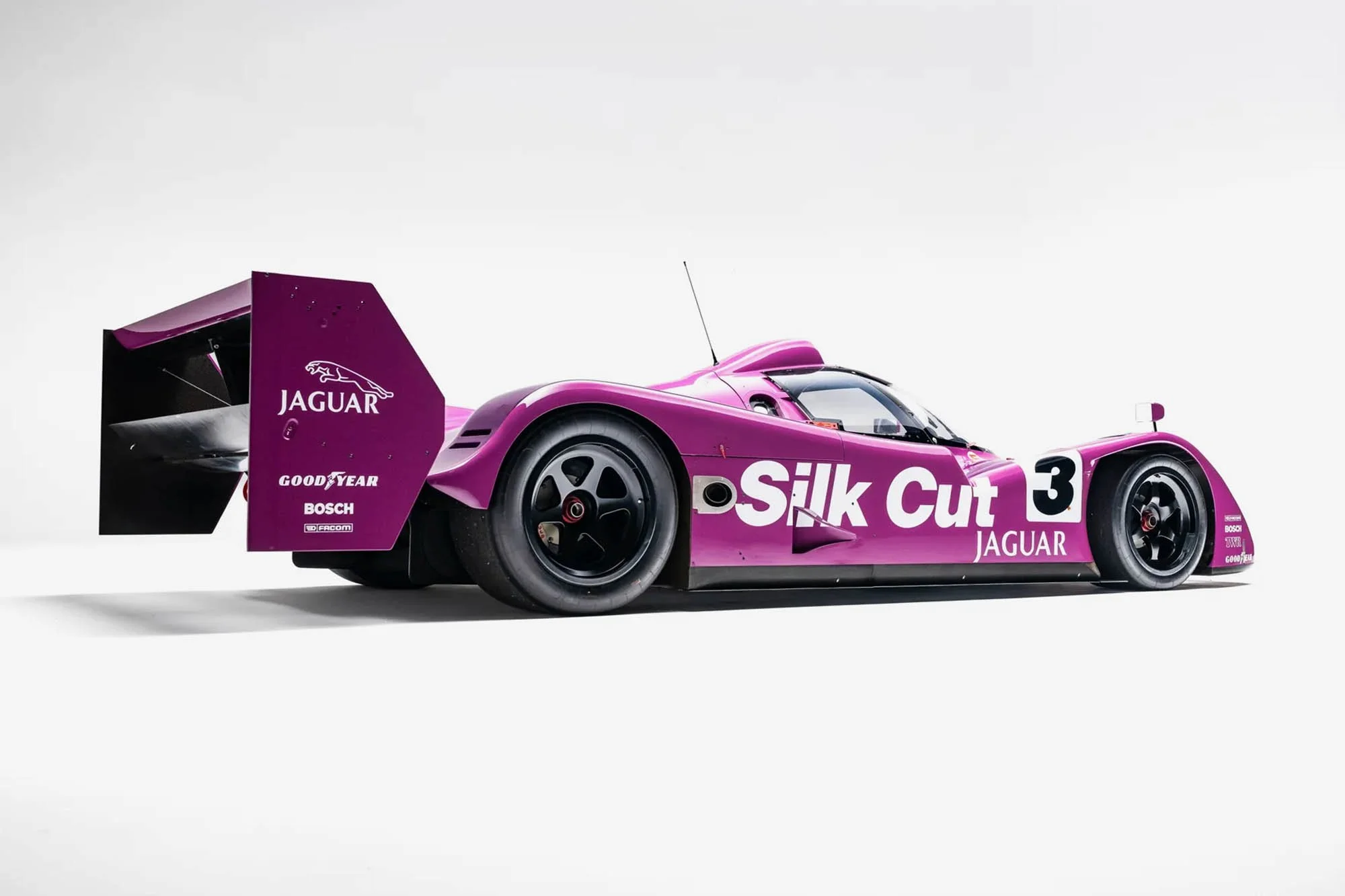
The story didn’t end there. Sent to the US for IMSA GTP duty in 1992, 791 proved immediately competitive. Davy Jones dominated at Road Atlanta, taking pole, fastest lap and a lights-to-flag victory. A heavy accident at Lime Rock soon after ended its frontline career, but by then the point had been made.
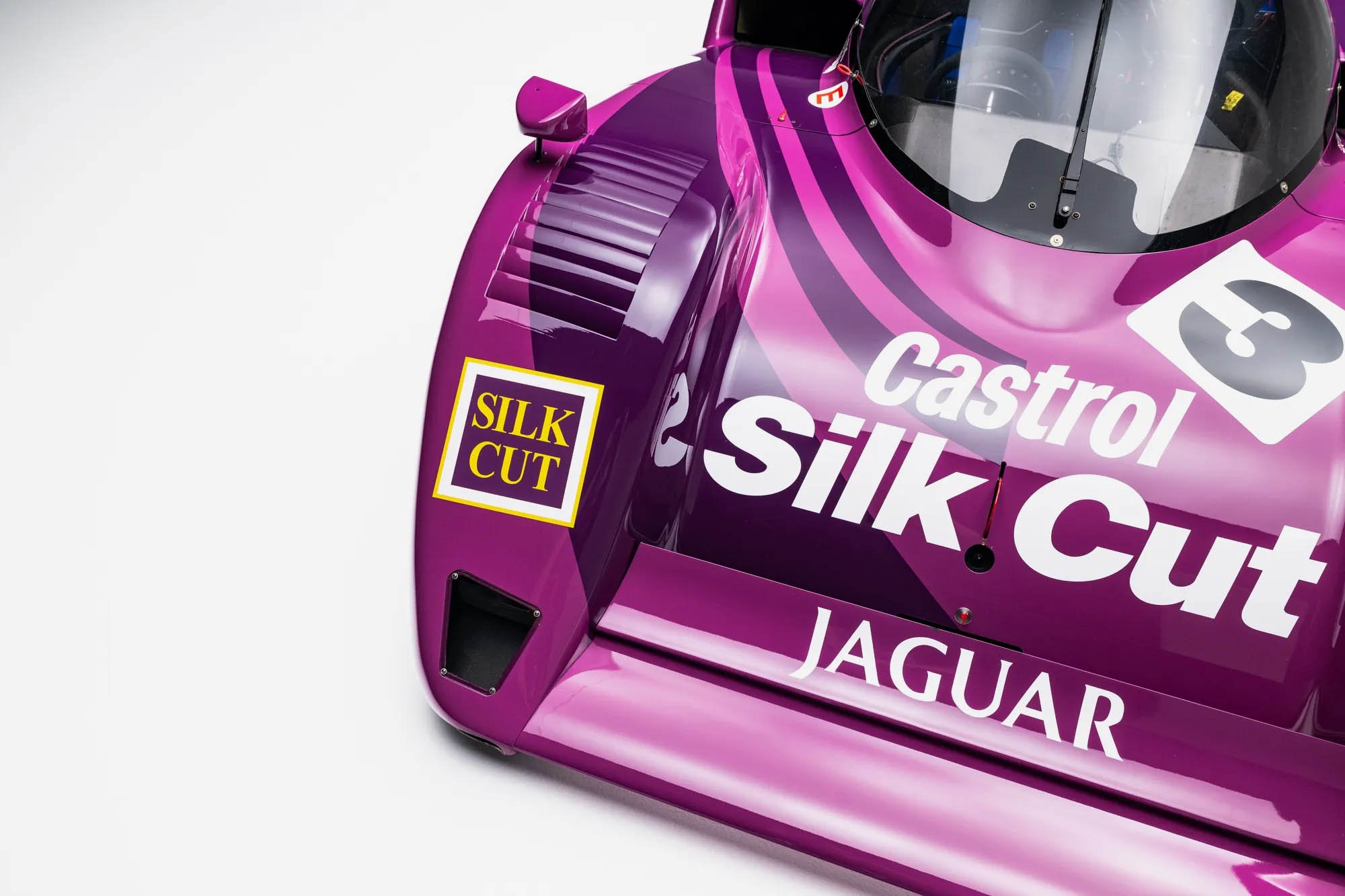
The XJR-14 wasn’t just Jaguar’s last Group C car, it was one of the clearest expressions of a rule change reshaping an entire category. Briefly raced, rarely seen and deeply influential, it remains a high-water mark of engineering at the close of an era. This iconic 1991 Jaguar XJR-14 is currently available through Mouse Motors in Chicago, USA. Photos © Mouse Motors.